 |
King of Chemicals Manufacturers Direct Reduced Iron or Carbonyl Iron Powder or Sponge Iron or Reduced Iron Powder or Electrolytic Iron Powder and API BP Ph Eur EP USP NF IP JP ChP PPRC Reagent FCC Food Grade Manufacturer |
Specifications, Properties, Uses, SDS of Direct Reduced Iron or Carbonyl Iron Powder or Sponge Iron or Reduced Iron Powder or Electrolytic Iron Powder BP Ph Eur Reagent FCC Food Grade Manufacturer Supplier Exporter Wholesale & Small Packs, CAS Number 7439-89-6 or (37220-42-1). | |
| King of Chemicals has several associated companies having accreditations like cGMP, GLP - FDA Approved Good Manufacturing Practice and Good Laboratory Practice of WHO standard, ISO-9001, ISO-14001, ISO/IEC 17025, ISO ISO-45000, HACCP, FSSC 220000, FSSAI, "REACH" Registered, Kosher & Halal Certified. e-CTD and DMF support can be made available if needed. We offer API USP NF BP Ph Eur EP IP JP ChP PPRC Analytical Reagent FCC Food Grade Chemicals & Nutraceuticals. | |
         | |
 ------

Muby Chem Pvt. Ltd. is a several decades old group of companies, engaged in manufacturing, supplying, distributing, wholesale supplies of Direct Reduced Iron or Carbonyl Iron Powder or Sponge Iron or Reduced Iron Powder or Electrolytic Iron Powder BP Ph Eur Reagent FCC Food Grade for actual users, including retail or small pack supplies for research and development work.
We supply fine and speciality chemicals, pharmaceutical excipients, mineral fortifiers in chemically pure, analytical reagent grade, API IP BP USP Ph Eur EP JP ChP PPRC and other pharmaceutical grade monograph including FCC Food grade chemicals and Nutraceuticals at best prices. We and/or our associated units have all the facilities to supply as per cGMP standard observing good manufacturing practice and good laboratory practice. We can assure low microbial count and also offer a test certificate for the same. We maintain warehouses across USA, India, and UAE. Our group exports to USA, Canada, Mexico, Argentina, Brazil, Chile, Korea, Malaysia, Thailand, Indonesia, Europe, and several other parts of the world. We supply in wholesale container loads to small pack of few grams. Solid products may be specified for it size and shape as desired by the buyer.


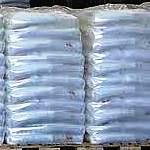
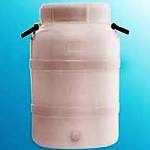
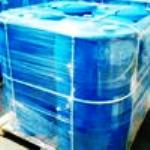
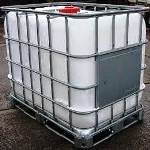
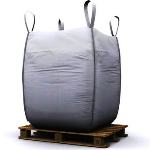
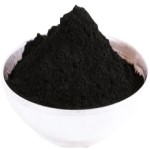
Direct Reduced Iron or Carbonyl Iron Powder or Sponge Iron or Reduced Iron Powder or Electrolytic Iron Powder CAS Number 7439-89-6 or (37220-42-1)
For Properties Specifications Uses of Direct Reduced Iron or Carbonyl Iron Powder or Electrolytic Iron Powder Click Properties, Specifications, Uses, Price, Process of Direct Reduced Iron or Carbonyl Iron Powder Manufacturer.
For For SDS MSDS Sheet of Direct Reduced Iron or Carbonyl Iron Powder or Electrolytic Iron Powder Click SDS Safety Data Sheet MSDS Sheet of Direct Reduced Iron or Carbonyl Iron Powder Manufacturer.
The Properties, Specifications, Monograph and Uses of Direct Reduced Iron or Carbonyl Iron Powder or Electrolytic Iron Powder:
Carbonyl iron powder is a high-purity form of elemental iron with microscopic, spherical particles, used primarily in electronics, advanced manufacturing, defense, and nutritional supplements. Its unique particle structure gives it exceptional magnetic permeability, flowability, and high bioavailability. It is used for Metal Injection Molding, Powder metallurgy and diamond tools, Magnetorheological (MR) fluids, Iron deficiency supplements, Food fortification, Radar-absorbing materials, Chemical catalysts, etc.
Iron BP Grade Ph Eur for Homoeopathic Preparations:
Iron for Homoeopathic Use
Fe --- 55.85 --- CAS 7439-89-6
DEFINITION
Iron obtained by reduction or sublimation as a fine blackish-grey powder.
Content: 97.5 per cent to 101.0 per cent.
CHARACTERS
Appearance: Fine, blackish-grey powder, without metallic lustre.
Solubility: Practically insoluble in water and in ethanol (96 per cent). It dissolves with heating in dilute mineral acids.
IDENTIFICATION
Dissolve 50 mg in 2 mL of dilute sulfuric acid and dilute to 10 mL with water. The solution gives reaction of iron.
TESTS
Solution S: To 10.0 g add 40 mL of water. Boil for 1 minute, cool, filter and dilute to 50.0 mL with water R.
Alkalinity: To 10 mL of solution S add 0.1 mL of bromothymol blue solution. Not more than 0.1 mL of0.01 M hydrochloric acid is required to change the colour of the indicator to yellow.
Substances insoluble in hydrochloric acid: Dissolve 2.00 g in 40 mL of hydrochloric acid. Heat on a water-bath. As soon as fumes are no longer evolved, filter through a sintered-glass filter. Rinse with water. Dry the residue in an oven at 100-105C for 1 h. The residue weighs a maximum of 20 mg (1.0 per cent).
Substances soluble in water: Evaporate 10.0 mL of solution S on a water-bath and dry at 100-105C for 1 h. The residue weighs a maximum of 2 mg (0.1 per cent).
Chlorides: Maximum 50 ppm.
Sulfides and phosphides: In a 100 mL conical flask carefully mix 1.0 g with 10 mL of dilute hydrochloric acid R. Within 30 s lead acetate paper moistened with water and placed over the mouth of the flask is not coloured more intensely than light brown by the resulting fumes.
Arsenic: Maximum 5 ppm.
Copper: Maximum 50 ppm.
Atomic absorption spectrometry: To pass the test.
Lead: Maximum 50 ppm.
ASSAY
Stir for 10 min 0.100 g in a hot solution of 1.25 g of copper sulfate pentahydrate in 20 mL of water in a 100 mL conical flask with a ground-glass stopper. Filter rapidly and wash the filter. Combine the filtrate and the washings, acidify with dilute sulfuric acid and titrate with 0.02 M potassium permanganate until a pink colour is obtained.
1 mL of 0.02 M potassium permanganate is equivalent to 5.585 mg of Fe.
Iron, Electrolytic FCC Food Grade:
Fe --- wt 55.85 --- CAS: 7439-89-6
DESCRIPTION
Iron, Electrolytic, occurs as an amorphous, lusterless, grayblack powder. It is elemental iron obtained by electrode position. It is stable in dry air.
Function: Nutrient.
REQUIREMENTS
Identification: A sample dissolves in dilute mineral acids with the evolution of hydrogen and the formation of solutions of the corresponding salts, which give positive tests for Ferrous Salts (Iron).
Assay: Not less than 97.0% of Fe.
Acid-Insoluble Substances: Not more than 0.2%.
Arsenic: Not more than 3 mg/kg.
Lead: Not more than 4 mg/kg.
Mercury: Not more than 2 mg/kg.
Sieve Analysis: Not less than 100% passes through a 100-mesh sieve; not less than 95% passes through a 325-mesh sieve.
Iron, Reduced FCC Food Grade:
Fe --- 55.85 --- CAS: 7439-89-6
DESCRIPTION
Iron, Reduced, occurs as a gray-black powder. It is elemental iron obtained by a chemical process. It is lusterless or has not more than a slight luster. When viewed under a microscope having a magnifying power of 100 diameters, it appears as an amorphous powder, free from particles having a crystalline structure. It is stable in dry air.
Function: Nutrient.
REQUIREMENTS
Identification: A sample dissolves in dilute mineral acids with the evolution of hydrogen and the formation of solutions of the corresponding salts, which give positive tests for Ferrous Salts (Iron).
Assay :Not less than 96.0% of Fe.
Acid-Insoluble Substances: Not more than 1.25%.
Arsenic: Not more than 8 mg/kg.
Lead: Not more than 10 mg/kg.
Mercury: Not more than 5 mg/kg.
Sieve Analysis: Not less than 100% passes through a 100-mesh sieve.
Iron Analytical Reagent Grade, Low in Magnesium and Manganese:
Fe --- Formula Wt 55.847 --- CAS Number 7439-89-6
REQUIREMENTS
Magnesium (Mg): 5 ppm
Manganese (Mn) 0.002%.
Iron Carbonyl FCC Food Grade
Fe --- 55.85 --- CAS: 37220-42-1
DESCRIPTION
Iron, Carbonyl, occurs as a dark gray powder. It is elemental iron produced by the decomposition of iron pentacarbonyl. When viewed under a microscope having a magnifying power of 500 diameters or greater, it appears as spheres built up with concentric shells. It is stable in dry air.
Function: Nutrient.
REQUIREMENTS
Identification: A sample dissolves in dilute mineral acids with the evolution of hydrogen and the formation of solutions of the corresponding salts, which give positive tests for Ferrous Salts (Iron).
Assay: Not less than 98.0% of Fe.
Acid-Insoluble Substances: Not more than 0.2%.
Arsenic: Not more than 3 mg/kg.
Lead: Not more than 4 mg/kg.
Mercury: Not more than 2 mg/kg.
Sieve Analysis: Not less than 100% passes through a 200-mesh sieve; not less than 95% passes through a 325-mesh sieve.
The MSDS-SDS Hazard Statement of Direct Reduced Iron or Carbonyl Iron Powder or Electrolytic Iron Powder:
Reduced Iron and Electrolytic Iron Powder SDS, Safety Data Sheet
MSDS, Material Safety Data Sheet
SECTION 1. PRODUCT IDENTIFICATION
Product Name & Other Names: Direct Reduced Iron or Sponge Iron or Reduced Iron Powder and Electrolytic Iron Powder.
CAS Number: 7439-89-6
EINECS EC Number: 231-096-4
Molecular Formula: Fe
Molecular Weight: 55.85
Relevant uses and uses advised against (if any): Industrial Manufacturing.
Supplier: As per the letterhead.
SECTION 2. HAZARDS IDENTIFICATION
GHS, Globally Harmonized System Classification in accordance with 29 CFR 1910
Classification according to Regulation (EC) No 1272/2008
Flammable solids (Category 1), H228
Labeling according GHS USA & Regulation (EC) No 1272/2008
GHS Label Elements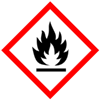 Flammable Solids |
Signal Words: Danger
Hazard statements:
H228: Flammable solid.
Precautionary statements:
P210: Keep away from heat/sparks/open flames/hot surfaces – No smoking.
P231: Handle under inert gas.
P335+334: Brush off loose particles from skin. Immerse in cool water/wrap in wet bandages.
P240: Ground/bond container and receiving equipment.
P241: Use explosion-proof electrical/ventilating/light/…/equipment.
P280: Wear protective gloves/protective clothing/eye protection/face protection.
P370+378: In case of fire: Use dry powder or dry sand for extinction.
P402+404: Store in a dry place. Store in a closed container.
P501: Dispose of contents/ container to an approved waste disposal plant.
SECTION 3. COMPOSITION / INFORMATION ON INGREDIENTS
Product Name & Other Names: Direct Reduced Iron or Sponge Iron or Reduced Iron Powder and Electrolytic Iron Powder.
CAS Number: 7439-89-6
EINECS EC Number: 231-096-4
SECTION 4. FIRST AID MEASURES
Always seek medical attention after first aid measures are provided.
Eye Contact: Do not allow victim to rub eye (s). Let the eye (s) water naturally for a few minutes. If particle/dust does not dislodge, flush with lukewarm, gently flowing water for 5 minutes or until particle/dust is removed, while holding eyelid (s) open. If irritation persists, obtain medical attention. DO NOT attempt to manually remove anything stuck to the eye.
Skin Contact: Remove contaminated clothing, shoes, and leather goods (e.g. watchbands, belts). Quickly and gently blot or brush away excess chemical. Wash gently and thoroughly with lukewarm gently flowing water and non-abrasive soap for 5 minutes. If irritation persists, repeat flushing. Obtain medical advice. Completely decontaminate clothing, shoes and leather goods before reuse or else discard.
Inhalation: If symptoms are experienced, remove source of contamination or move victim to fresh air. Obtain medical advice.
Ingestion: Never give anything by mouth if victim is rapidly losing consciousness or is unconscious or convulsing. Have victim rinse mouth thoroughly with water. DO NOT INDUCE VOMITING.
SECTION 5. FIRE FIGHTING MEASURES
Risk of ignition. Dust can form an explosive mixture in air. Containers may explode when heated. Keep product and empty container away from heat and sources of ignition. Self-heating. Exposure to air may cause substance to self-heat without an energy supply.
Fire and Explosion Hazards: Flammable Solids. In case of fire and/or explosion do not breathe fumes. Dust may form explosive mixture with air.
Extinguishing Media: Use means of extinction appropriate for the surrounding fire conditions such as dry powder, sand, or talc.
Unsuitable Extinguishing Media: Avoid using water.
Special hazards arising from the substance or mixture: Iron oxides. Fumes.
Fire Fighting: Toxic fumes may result from combustion. As with any fire, fire fighters should be fully trained and wear full protective clothing including an approved, self-contained breathing apparatus which supplies a positive air pressure within a full-face piece mask. Do not use water directly on material. Use water spray to cool unopened containers.
SECTION 6. ACCIDENTAL RELEASE MEASURES
Personal precautions, protective equipment, and emergency procedures: Avoid breathing dust/fumes/gas/mist/vapors/spray. Use individual protective equipment (waterproof boots, suitable protective clothing, safety glasses, etc.).
Environmental precautions: Do not let the product enter drains, soil, or water sources.
Methods and materials used for containment Cleanup procedures and Storage: Do not inhale dust, vapors, mist, or gas. Avoid dust formation. Contain spilled material. Cover with an inert, non-combustible absorbent material, (e.g. sand, earth, diatomaceous earth, vermiculite). Use a shovel to put the material into a convenient waste disposal container. Finish cleaning by spreading water on the contaminated surface and allow to evacuate as per law.
SECTION 7. HANDLING AND STORAGE
Store in cool, dry, well-ventilated area away from incompatible substances. Protect from physical damage. Keep away from sources of ignition - No smoking. Take measures to prevent the build-up of electrostatic charge.
Precautions for safe handling: Apply according to good manufacturing and industrial hygiene practices. Ensure proper ventilation. In case of insufficient ventilation, wear suitable respiratory equipment. Wash thoroughly after handling. Do not drink, eat, or smoke while handling. Avoid contact with skin, eyes, and clothing. Minimize dust generation. Avoid breathing dust/fumes/gas/mist/vapors/spray. Keep container tightly closed. Avoid ingestion and inhalation. Use individual protective equipment (waterproof boots, suitable protective clothing, safety glasses, etc.).
Conditions for safe storage, including any incompatibilities: Store in cool, dry, and ventilated area away from heat sources and protected from sunlight in tightly closed original container. Keep air contact to a minimum. Store protected from heat, sparks and ignition sources and incompatible materials. Avoid inhalation of dust/mist/vapor. Do not store with incompatible materials like strong oxidizing agents.
SECTION 8. EXPOSURE CONTROLS / PERSONAL PROTECTION
Control Parameters: No occupational exposure limit values established.
Ventilation System: A system of local and/or general exhaust is recommended to keep employee exposures as low as possible.
Personal Respirators (NIOSH Approved): For conditions of use where exposure to dust or mist is apparent and engineering controls are not feasible, a particulate respirator may be worn.
Skin Protection: Wear protective gloves and clean body-covering clothing.
Eye Protection: Use chemical safety goggles and/or full face shield where dusting or splashing of solutions is possible. Maintain eye wash fountain and quick-drench facilities in work area.
Other Control Measures: Maintain good housekeeping in work area. Handle in accordance with good industrial hygiene and safety practice.
SECTION 9. PHYSICAL AND CHEMICAL PROPERTIES
Appearance: Gray to black powdered solid.
Odor: No data found.
Odor threshold: No data found.
pH: No data found.
Relative density: about 7.86
Freezing/Melting Point/Range: 1535C
Initial boiling point and boiling range: 2750C
Flash point: No data found.
Auto-ignition temperature: No data found.
Explosive properties: Risk of dust explosion.
Decomposition temperature: No data found.
Upper/lower flammability or explosive limits: No data found.
Vapor pressure: No data found.
Vapor density: No data found.
Evaporation rate: No data found.
Flammability (solid, gas): No data found.
Partition coefficient: n-octanol/water: No data found.
Solubility in Water: Insoluble in water.
Viscosity: No data found.
SECTION 10. STABILITY AND REACTIVITY
Stability and Reactivity: Stable and not considered reactive under normal temperatures and pressures. Hazardous polymerization or runaway reactions will not occur.
Incompatibilities: Strong oxidizing agents and acids.
Conditions to avoid: Incompatibilities, heat, flames, and sparks.
Hazardous Decomposition Products: High temperature operations will generate fume and iron oxides. Hydrogen may be formed.
SECTION 11. TOXICOLOGICAL INFORMATION
LD50 Oral - Rat - 30000 mg/kg.
Carcinogenicity: IARC: No component of this product present at levels greater than or equal to 0.1% is identified as probable, possible or confirmed human carcinogen by IARC.
Acute toxicity: No data found.
Germ cell mutagenicity: Not mutagenic.
Reproductive Toxicity: Animal testing did not show any effects on fertility.
SECTION 12. ECOLOGICAL INFORMATION
Toxicity to fish: static test - Morone saxatilis - 13,6 mg/l - 96 h.
Results of PBT and vPvB assessment: No data found.
Bioaccumulative potential: No data found.
Mobility in Soil: No data found.
SECTION 13. DISPOSAL CONSIDERATIONS
Do not wash the material down drain or on land. Put uncontaminated material back into the process if possible. Place contaminated material in suitable, labeled containers for disposal. Dispose of waste material consistent with the requirements of waste disposal authorities. Follow all the pollution control rules.
SECTION 14. TRANSPORT INFORMATION
DOT USA & ADR/RID Europe:
UN Number: 3178
UN proper shipping name: FLAMMABLE SOLID, INORGANIC, N.O.S. (Iron Powder)
Transport hazard class(es): 4.1
Packaging group: III
IATA:
UN Number: 3178
UN proper shipping name: FLAMMABLE SOLID, INORGANIC, N.O.S. (Iron Powder)
Transport hazard class(es): 4.1
Packaging group: III
IMDG:
UN Number: 3178
UN proper shipping name: FLAMMABLE SOLID, INORGANIC, N.O.S. (Iron Powder)
Transport hazard class(es): 4.1
Packaging group: III
SECTION 15. REGULATORY INFORMATION
USA Regulations:
SARA 311/312 Hazards: See section 2.
California Prop. 65 Components: Not listed.
SECTION 16 - ADDITIONAL INFORMATION
European Labeling in Accordance with EC Directives:
H228: Flammable solid.
Disclaimer:
**************************
Our company provides this MSDS sheet in good faith but makes no representation as to its comprehensiveness or accuracy. This SDS sheet is intended only as a guide to the appropriate precautionary handling of the material by a properly trained person using this product. The above information has been compiled from various sources and has the possibility of discrepancy and being out-dated information. Individuals receiving the information must exercise their independent judgment and do further search in determining its appropriateness for a particular purpose. In no case shall our company be liable to loss or damages by the product user.
**************************

Direct Reduced Iron or Carbonyl Iron Powder or Electrolytic Iron Powder Manufacturers, Suppliers, Exporters, Wholesalers:
King of Chemicals manufacturers

Plot No. 2900/46&47 + 2900/163to167, GIDC, Ankleshwar, Dist. Bharuch, India
India, USA, UAE
TEL: (Office) 91-22-65290111
email: info@kingofchemicals.com
Copyright and Usual Disclaimer is Applicable --- November 16, 2026
If I give you “My Word” Nobody can undo it.
If I sign an “Agreement” my Lawyer will undo it
Our products are for industrial and laboratory use only. The user must test the material before use. We are not despensing chemists or druggist and do not offer over the counter type (OTC) products for medical use by individuals.
| We and our associates manufacture pure chemicals surpassing Monograph Specifications of Analytical Reagent Standards, British & European Pharmacopoeia BP Ph Eur EP Standard, US Pharmacopoeia USP NF Standard, Indian Pharmacopoeia IP Standard, Japan Pharmacopoeia JP Standard, FCC Food Grade Standard. | |
Direct Reduced Iron or Carbonyl Iron Powder | |