 |
King of Chemicals Manufacturers Nicotinic Acid or Niacin or Vitamin B3 or Pyridine-3-Carboxylic Acid and API BP Ph Eur EP USP NF IP JP ChP PPRC Reagent FCC Food Grade Manufacturer |
Specifications, Properties, Uses, SDS of Nicotinic Acid or Niacin or Vitamin B3 or Pyridine-3-Carboxylic Acid API BP Ph Eur USP FCC Food Grade Manufacturer Supplier Exporter Wholesale & Small Packs, CAS Number 59-67-6. | |
| King of Chemicals has several associated companies having accreditations like cGMP, GLP - FDA Approved Good Manufacturing Practice and Good Laboratory Practice of WHO standard, ISO-9001, ISO-14001, ISO/IEC 17025, ISO ISO-45000, HACCP, FSSC 220000, FSSAI, "REACH" Registered, Kosher & Halal Certified. e-CTD and DMF support can be made available if needed. We offer API USP NF BP Ph Eur EP IP JP ChP PPRC Analytical Reagent FCC Food Grade Chemicals & Nutraceuticals. | |
         | |
 ------

Muby Chem Pvt. Ltd. is a several decades old group of companies, engaged in manufacturing, supplying, distributing, wholesale supplies of Nicotinic Acid or Niacin or Vitamin B3 or Pyridine-3-Carboxylic Acid BP Ph Eur USP FCC Food Grade for actual users, including retail or small pack supplies for research and development work.
We supply fine and speciality chemicals, pharmaceutical excipients, mineral fortifiers in chemically pure, analytical reagent grade, API IP BP USP Ph Eur EP JP ChP PPRC and other pharmaceutical grade monograph including FCC Food grade chemicals and Nutraceuticals at best prices. We and/or our associated units have all the facilities to supply as per cGMP standard observing good manufacturing practice and good laboratory practice. We can assure low microbial count and also offer a test certificate for the same. We maintain warehouses across USA, India, and UAE. Our group exports to USA, Canada, Mexico, Argentina, Brazil, Chile, Korea, Malaysia, Thailand, Indonesia, Europe, and several other parts of the world. We supply in wholesale container loads to small pack of few grams. Solid products may be specified for it size and shape as desired by the buyer.


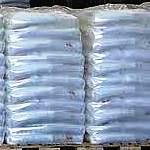
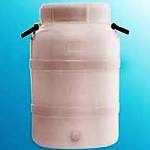
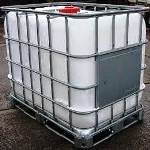
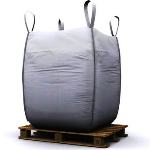
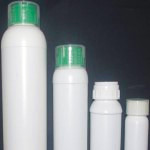
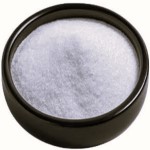
Nicotinic Acid or Niacin or Vitamin B3 or Pyridine-3-Carboxylic Acid CAS Number 59-67-6
For Properties Specifications Uses of Nicotinic Acid or Niacin or Vitamin B3 or Pyridine-3-Carboxylic Acid Click Properties, Specifications, Uses, Price, Process of Nicotinic Acid or Niacin or Vitamin B3 or Pyridine-3-Carboxylic Acid Manufacturer.
For For SDS MSDS Sheet of Nicotinic Acid or Niacin or Vitamin B3 or Pyridine-3-Carboxylic Acid Click SDS Safety Data Sheet MSDS Sheet of Nicotinic Acid or Niacin or Vitamin B3 or Pyridine-3-Carboxylic Acid Manufacturer.
The Properties, Specifications, Monograph and Uses of Nicotinic Acid or Niacin or Vitamin B3 or Pyridine-3-Carboxylic Acid:
Nicotinic acid or niacin or vitamin B3 is a vital water-soluble nutrient primarily used to treat vitamin B3 deficiency and manage abnormal blood lipid levels like high cholesterol and triglycerides. It is used in medecine and related applications for Treating Pellagra, Lipid and Cholesterol Management, Atherosclerosis and Cardiovascular Risk Control, Skincare and Cosmetics, Animal Nutrition, Pharmaceutical Research, etc. It is an an essential nutrient, used as a dietary supplement, and in the prescription medicine.
Nicotinic Acid BP Ph Eur Grade Specifications:
C6H5NO2 --- 123.1 CAS 59-67-6
Action and use: Component of vitamin B.
Preparation: Nicotinic Acid Tablets
DEFINITION
Pyridine-3-carboxylic acid.
Content: 99.5 per cent to 100.5 per cent (dried substance).
CHARACTERS
Appearance: White or almost white, crystalline powder.
Solubility: Sparingly soluble in water, soluble in boiling water and in boiling ethanol (96 per cent). It dissolves in dilute solutions of alkali hydroxides and carbonates.
IDENTIFICATION
First identification: A, B
Second identification: A, C
A. Melting point: 234C to 240.
B. Infrared absorption spectrophotometry.
C. Ultraviolet and visible absorption spectrophotometry. To pass the tests.
TESTS
Related substances: To pass the tests.
Chlorides: Maximum 200 ppm.
Loss on drying: Maximum 1.0 per cent, determined on 1.000 g by drying in an oven at 105C for 1 h.
Sulfated ash: Maximum 0.1 per cent, determined on 1.0 g.
ASSAY
Dissolve 0.250 g in 50 mL of water. Add 0.25 mL of phenolphthalein solution. Titrate with 0.1 M sodium hydroxide until a pink colour is obtained. Carry out a blank titration.
1 mL of 0.1 M sodium hydroxide is equivalent to 12.31 mg of C6H5NO2.
STORAGE
Protected from light.
Niacin USP Grade Specifications:
C6H5NO2 --- 123.11
3-Pyridinecarboxylic acid;
Nicotinic acid CAS 59-67-6
UNII: 2679MF687A
DEFINITION
Niacin contains NLT 98.0% and NMT 102.0% of niacin (C6H5NO2 ), calculated on the dried basis.
IDENTIFICATION
A. Infrared Absorption
B. Ultraviolet Absorption
C. The retention time of the major peak of the Sample solution corresponds to that of the Standard solution, as obtained in the Assay.
ASSAY
Acceptance criteria: 98.0%–102.0% on the dried basis
Residue on Ignition: NMT 0.1%
Chloride and Sulfate, Chloride: Acceptance criteria: NMT 0.02%
Chloride and Sulfate, Sulfate: Acceptance criteria: NMT 0.02%
Related Compounds: To pass the test.
Loss on Drying at 105C for 1hr: NMT 1.0%
Packaging and Storage: Preserve in well-closed containers.
Niacin FCC Food Grade Specifications:
Nicotinic Acid; 3-Pyridinecarboxylic Acid
C6H5NO2 Formula weight --- 123.11
CAS 59-67-6
DESCRIPTION
Niacin occurs as white or light-yellow crystals or as a crystalline powder. One gram of sample dissolves in 60 mL of water. It is freely soluble in boiling water and in boiling alcohol and also in a solutions of alkali hydroxides and carbonates. It is almost insoluble in ether.
Function: Nutrient.
REQUIREMENTS
Identification:
A. The infrared absorption spectrum of a mineral oil dispersion of the sample, previously dried at 105C for 1 h, exhibits maxima only at the same wavelengths as those of a similar preparation of USP Niacin Reference Standard.
B. Dissolve about 50mg of sample in 20mLof water, neutralize to litmus paper with 0.1 N sodium hydroxide, and add 3 mL of cupric sulfate. A blue precipitate gradually forms.
C. Determine the absorbance of a solution containing 20 µg of sample in each milliliter of water, in a 1-cm cell, at 237 nm and 262 nm, using water as the blank. The ratio A237/A262 is between 0.35 and 0.39.
Assay: Not less than 99.5% and not more than 101.0% of C6H5NO2, calculated on the dried basis.
Loss on Drying: Not more than 1.0%.
Melting Range: Between 234C and 238C.
Residue on Ignition: Not more than 0.1%.
The MSDS-SDS Hazard Statement of Nicotinic Acid or Niacin or Vitamin B3 or Pyridine-3-Carboxylic Acid:
Niacin or Nicotinic Acid or Pyridine-3-Carboxylic Acid or Vitamin B3 SDS, Safety Data Sheet
MSDS Sheet, Material Safety Data Sheet
1. Product Identification
Product Name & Other Names: Niacin or Nicotinic Acid or Pyridine-3-Carboxylic Acid or Vitamin B3.
CAS No.: 59-67-6
EINECS: EC Number: 200-441-0
Molecular Weight: 123.11
Molecular Formula: C6H5NO2 or 3-(COOH)-C5H4N
Relevant uses and uses advised against (if any): Industrial Manufacturing.
Supplier: As per letterhead above.
2. Hazards Identification
GHS, Globally Harmonized System Classification in accordance with 29 CFR 1910
Classification according to Regulation (EC) No 1272/2008
Serious eye damage/eye irritation Category 2A
Labeling according to GHS & Regulation (EC) No 1272/2008
GHS Label Elements Irritation |
Signal Words: Warning
Hazard statements:
H319: Causes serious eye irritation.
Precautionary statements:
P262: Do not get in eyes, on skin, or on clothing.
P264: Wash skin thoroughly after handling.
P280: Wear protective gloves/protective clothing/eye protection/face protection.
P302+P352-IF ON SKIN: Wash with plenty of soap and water.
P304+P340: IF INHALED: Remove victim to fresh air and keep at rest in a position comfortable for breathing.
P305+351+338: IF IN EYES: Rinse cautiously with water for several minutes. Remove contact lenses if present and easy to do – continue rinsing.
P337+P313: If eye irritation persists: Get medical advice/ attention.
3. Composition/Information on Ingredients
Product Name & Other Names: Niacin or Nicotinic Acid or Pyridine-3-Carboxylic Acid or Vitamin B3.
CAS No.: 59-67-6
EINECS: EC Number: 200-441-0
4. First Aid Measures
Always seek medical attention after first aid measures are provided.
Inhalation: Remove to fresh air. If not breathing, give artificial respiration. If breathing is difficult, give oxygen. Get medical attention.
Ingestion: Never give anything by mouth to an unconscious person. Get medical attention.
Skin Contact: Wipe off excess material from skin then immediately flush skin with plenty of water for at least 15 minutes. Remove contaminated clothing and shoes. Get medical attention. Wash clothing before reuse. Thoroughly clean shoes before reuse.
Eye Contact: Immediately flush eyes with plenty of water for at least 15 minutes, lifting lower and upper eyelids occasionally. Get medical attention immediately.
5. Fire Fighting Measures
Flammability of the Product: Combustible at high temperature.
Auto-Ignition Temperature: 365C literature.
Flash Points: 193C literature.
Products of Combustion: Nitrogen oxides, Carbon dioxide, Carbon monoxide, fumes.
Fire Extinguishing Media: Use any means suitable for extinguishing surrounding fire. Use water spray, alcohol-resistant foam, dry chemical, or carbon dioxide.
Special Information: In the event of a fire, wear full protective clothing and NIOSH-approved self-contained breathing apparatus with full face piece operated in the pressure demand or other positive pressure mode. At high temperatures under fire conditions, it may produce toxic or irritating fumes.
6. Accidental Release Measures
Personal precautions, protective equipment, and emergency procedures: Avoid breathing dust/fumes/gas/mist/vapors/spray. Use individual protective equipment (waterproof boots, suitable protective clothing, safety glasses, etc).
Environmental precautions: Do not let the product enter drains, soil, or water sources.
Methods and materials used for containment cleanup procedures and Storage: Contain spilled material. Avoid touching the spilled material. Do not let the product enter drains. Cover with an inert, non-combustible absorbent material, (e.g., sand, earth, diatomaceous earth, vermiculite). Use a shovel to put the material into a disposal container.
7. Handling and Storage
Precautions for safe handling: Apply according to good manufacturing and industrial hygiene practices. Ensure proper ventilation. Wash thoroughly after handling. Do not drink, eat, or smoke while handling. Do not ingest. Avoid contact with skin, eyes, and clothing. Minimize dust generation. Avoid breathing dust/fumes/gas/mist/vapors/spray. Keep container tightly closed. Avoid ingestion and inhalation. Use individual protective equipment (waterproof boots, suitable protective clothing, safety glasses, etc).
Conditions for safe storage, including any incompatibilities: Store in cool, dry, and ventilated area away from heat sources and protected from sunlight in tightly closed original container. Keep air contact to a minimum. Do not leave the material container open. Store protected from heat, sparks and ignition sources and incompatible materials. Avoid contact with skin and eyes. Avoid inhalation of dust/mist/vapor. Do not store with incompatible materials like strong oxidizing agents, strong acids, strong bases.
8. Exposure Controls/Personal Protection
Airborne Exposure Limits: Not Established.
Ventilation System: A system of local and/or general exhaust is recommended to keep employee exposures as low as possible.
Personal Respirators (NIOSH Approved): For conditions of use where exposure to dust or mist is apparent and engineering controls are not feasible, a particulate respirator may be worn.
Skin Protection: Wear protective gloves and clean body-covering clothing.
Eye Protection: Use chemical safety goggles and/or full-face shield where dusting or splashing of solutions is possible. Maintain eye wash fountain and quick-drench facilities in work area.
Other Control Measures: Maintain good housekeeping in work area. Handle in accordance with good industrial hygiene and safety practice.
9. Physical and Chemical Properties
Appearance: White to off-white translucent crystals.
Odor: Odorless.
Odor threshold: Not applicable.
pH: No data found.
Relative density: 1.47 literature.
Boiling Point: 204C to 206C.
Melting Point: 234C and 238C literature.
Flash point: 193C literature.
Auto-ignition temperature: 365C literature.
Decomposition temperature: No data found.
Upper/lower flammability or explosive limits: No data found.
Vapor pressure: No data found.
Vapor density: No data found.
Evaporation rate: No data found.
Flammability (solid, gas): No data found.
Partition coefficient: n-octanol/water: No data found.
Solubility: Slightly soluble in water and in ethanol at room temperature. Freely soluble in boiling water and ethanol.
Viscosity: No data found.
10. Stability and Reactivity
Stability: Stable under ordinary conditions of use and storage.
Hazardous Decomposition Products: It emits Oxides of Nitrogen, Carbon dioxide, Carbon monoxide & Fumes.
Hazardous Polymerization: Will not occur.
Incompatibilities: Strong oxidizing agents, strong acids, strong bases.
Conditions to Avoid: Incompatibles, heat & light, spark, flame.
11. Toxicological Information
Toxicity data
LD50 Oral - Rat - > 7 g/kg
LD50 Dermal - Rat - > 2,000 mg/kg
Carcinogenic Effects: Not know as carcinogen.
Mutagenic Effects: No data found.
Reproductive Effects: No data found.
12. Ecological Information
Toxicity to fish: static test LC50 - Salmo trutta - 520 mg/l - 96 h.
Persistence and Degradability: Soluble in water Persistence is unlikely based on information available.
Mobility: Will likely be mobile in the environment due to its water solubility.
Bioaccumulation/ Accumulation: No data found.
Results of PBT and vPvB assessment: Not PBT or vPvB.
13. Disposal Considerations
Whatever cannot be saved for recovery or recycling should be managed in an appropriate and approved waste disposal facility. Dispose of container and unused contents in accordance with law. Follow all the pollution control rules.
14. Transport Information
DOT USA, TDG Canada & ADR/RID Europe: Not dangerous goods.
IATA & IMDG/IMO: Not dangerous goods.
15. Regulatory Information
USA:
SARA 311/312 Hazards: See section 2.
California prop. 65: Not listed.
Disclaimer:
**************************
Our company provides this MSDS sheet in good faith but makes no representation as to its comprehensiveness or accuracy. This SDS sheet is intended only as a guide to the appropriate precautionary handling of the material by a properly trained person using this product. The above information has been compiled from various sources and has the possibility of discrepancy and being out-dated information. Individuals receiving the information must exercise their independent judgment and do further search in determining its appropriateness for a particular purpose. In no case shall our company be liable to loss or damages by the product user.
**************************

Nicotinic Acid or Niacin or Vitamin B3 or Pyridine-3-Carboxylic Acid Manufacturers, Suppliers, Exporters, Wholesalers:
King of Chemicals manufacturers

Plot No. 2900/46&47 + 2900/163to167, GIDC, Ankleshwar, Dist. Bharuch, India
India, USA, UAE
TEL: (Office) 91-22-65290111
email: info@kingofchemicals.com
Copyright and Usual Disclaimer is Applicable --- November 6, 2026
If I give you “My Word” Nobody can undo it.
If I sign an “Agreement” my Lawyer will undo it
Our products are for industrial and laboratory use only. The user must test the material before use. We are not despensing chemists or druggist and do not offer over the counter type (OTC) products for medical use by individuals.
| We and our associates manufacture pure chemicals surpassing Monograph Specifications of Analytical Reagent Standards, British & European Pharmacopoeia BP Ph Eur EP Standard, US Pharmacopoeia USP NF Standard, Indian Pharmacopoeia IP Standard, Japan Pharmacopoeia JP Standard, FCC Food Grade Standard. | |
Nicotinic Acid or Niacin or Vitamin B3 | |