 |
King of Chemicals Manufacturers Tris Buffer or Tromethamine or Trometamol and API BP Ph Eur EP USP NF IP JP ChP PPRC Reagent FCC Food Grade Manufacturer |
Specifications, Properties, Uses, SDS of Tris Buffer or Tromethamine or Trometamol BP Ph Eur USP Grade Manufacturer Supplier Exporter Wholesale & Small Packs, CAS Number 77-86-1. | |
| King of Chemicals has several associated companies having accreditations like cGMP, GLP - FDA Approved Good Manufacturing Practice and Good Laboratory Practice of WHO standard, ISO-9001, ISO-14001, ISO/IEC 17025, ISO ISO-45000, HACCP, FSSC 220000, FSSAI, "REACH" Registered, Kosher & Halal Certified. e-CTD and DMF support can be made available if needed. We offer API USP NF BP Ph Eur EP IP JP ChP PPRC Analytical Reagent FCC Food Grade Chemicals & Nutraceuticals. | |
         | |
 ------

Muby Chem Pvt. Ltd. is a several decades old group of companies, engaged in manufacturing, supplying, distributing, wholesale supplies of Tris Buffer or Tromethamine BP Ph Eur USP Grade for actual users, including retail or small pack supplies for research and development work.
We supply fine and speciality chemicals, pharmaceutical excipients, mineral fortifiers in chemically pure, analytical reagent grade, API IP BP USP Ph Eur EP JP ChP PPRC and other pharmaceutical grade monograph including FCC Food grade chemicals and Nutraceuticals at best prices. We and/or our associated units have all the facilities to supply as per cGMP standard observing good manufacturing practice and good laboratory practice. We can assure low microbial count and also offer a test certificate for the same. We maintain warehouses across USA, India, and UAE. Our group exports to USA, Canada, Mexico, Argentina, Brazil, Chile, Korea, Malaysia, Thailand, Indonesia, Europe, and several other parts of the world. We supply in wholesale container loads to small pack of few grams. Solid products may be specified for it size and shape as desired by the buyer.


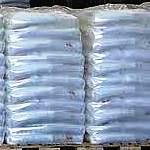
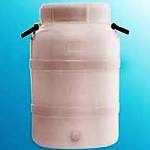
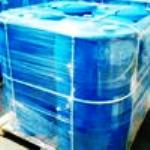
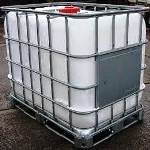
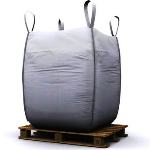
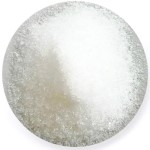
Tris Buffer or Tromethamine or Trometamol CAS Number 77-86-1
For Properties Specifications Uses of Tris Buffer or Tromethamine or Trometamol Click Properties, Specifications, Uses, Price, Process of Tris Buffer or Tromethamine or Trometamol Manufacturer.
For For SDS MSDS Sheet of Tris Buffer or Tromethamine or Trometamol Click SDS Safety Data Sheet MSDS Sheet of Tris Buffer or Tromethamine or Trometamol Manufacturer.
The Properties, Specifications, Monograph and Uses of Tris Buffer or Tromethamine or Trometamol:
Tris Buffer or Tromethamine or Trometamol is a versatile compound utilized as an active drug, a pharmaceutical stabilizer, and an industrial ingredient. It is used in Active Medical Treatment, Pharmaceutical Formulation, Inactive Pharmaceutical Ingredient & Buffer, Cosmetic and Industrial Uses, etc.
Trometamol BP Ph Eur Grade Specifications:
C4H11NO3 --- 121.1 --- CAS 77-86-1
Action and use: Organic amine proton acceptor; alkalinizing agent.
DEFINITION
Trometamol contains not less than 99.0 per cent and not more than the equivalent of 100.5 per cent of aminomethylidynetri(methanol), calculated with reference to the dried substance.
CHARACTERS
A white or almost white, crystalline powder, or colourless crystals, freely soluble in water, sparingly soluble in alcohol, very slightly soluble in ethyl acetate.
IDENTIFICATION
First identification: B, C
Second identification: A, B, D
A. Solution S is strongly alkaline.
B. Melting point: 168C to 174C.
C. Infrared absorption spectrophotometry.
D. Examine the chromatograms obtained in the test for related substances. The principal spot in the chromatogram obtained with test solution (b) is similar in position, colour and size to the principal spot in the chromatogram obtained with reference solution (a).
TESTS
Solution S: Dissolve 2.5 g in carbon dioxide-free water and dilute to 50 mL with the same solvent.
Appearance of solution: Solution S is clear and colourless.
pH: The pH of freshly prepared solution S is 10.0 to 11.5.
Related substances: By thin-layer chromatography, to pass the test.
Chlorides: To 10 mL of solution S add 2.5 mL of dilute nitric acid and dilute to 15 mL with water. The solution complies with the limit test for chlorides (100 ppm).
Iron: Dissolve 1.0 g in water and dilute to 10 mL with the same solvent. The solution complies with the limit test for iron (10 ppm).
Loss on drying: Not more than 0.5 per cent, determined on 1.000 g by drying in an oven at 105C.
Sulfated ash: Not more than 0.1 per cent, determined on 1.0 g.
Bacterial endotoxins: Less than 0.03 IU/mg, if intended for use in the manufacture of parenteral preparations without a further appropriate procedure for the removal of bacterial endotoxins.
Tromethamine USP Grade Specifications:
C4H11NO3 --- 121.14
1,3-Propanediol, 2-amino-2-(hydroxymethyl)-;
2-Amino-2-(hydroxymethyl)-1,3-propanediol CAS 77-86-1
UNII: 023C2WHX2V
DEFINITION
Tromethamine contains NLT 99.0% and NMT 101.0% of tromethamine (C4H11NO3), calculated on the dried basis.
IDENTIFICATION
A. Infrared Absorption
B.
Sample solution: 1 in 5
Analysis: To 4.5 mL of a saturated solution of salicylaldehyde add 0.5 mL of glacial acetic acid, and mix. Add 4.0 mL of the Sample solution, and mix.
Acceptance criteria: A yellow color is produced.
C.
Sample solution: 1 in 5
Analysis: To 0.5 mL of a solution (4 in 10) of ceric ammonium nitrate in 2 N nitric acid add 3 mL of water and 0.5 mL of the Sample solution, and mix.
Acceptance criteria: The color changes from light yellow to orange.
Residue on Ignition: NMT 0.1%
Melting Range or Temperature: 168C –172C
pH:
Sample solution: 1 in 20
Acceptance criteria: 10.0–11.5
Loss on Drying:
Analysis: Dry at 105C for 3 h.
Acceptance criteria: NMT 1.0%
The MSDS-SDS Hazard Statement of Tris Buffer or Tromethamine or Trometamol:
Tris Buffer or Tris(hydroxymethyl)aminomethane or Tris (Hydroxymethyl) Aminomethane or 2-Amino-2-(hydroxymethyl)-1,3-propanediol or THAM or Trometamol or Tromethamine SDS Sheet, Safety Data Sheet
MSDS Sheet, Material Safety Data Sheet
1. Product Identification
Product Name & Other Names: Tris Buffer or Tris(hydroxymethyl)aminomethane or Tris (Hydroxymethyl) Aminomethane or 2-Amino-2-(hydroxymethyl)-1,3-propanediol or THAM or Trometamol or Tromethamine.
CAS No.: 77-86-1
EINECS EC Code: 201-064-4
Molecular Weight: 121.14
Chemical Formula: C4H11NO3 or NH2C(CH2OH)3
Relevant uses and uses advised against (if any): Industrial Manufacturing.
SUPPLIER: As per letterhead.
2. Hazards Identification
GHS, Globally Harmonized System Classification in accordance with 29 CFR 1910
Classification according to Regulation (EC) No 1272/2008
Not a hazardous substance or mixture according to Regulation (EC) No. 1272/2008.
This substance is not classified as dangerous according to Directive 67/548/EEC.
Labeling according to GHS & Regulation (EC) No 1272/2008
| GHS Label Elements NONE |
Signal Words: None
Precautionary statements:
P261: Avoid breathing dust/fume/gas/mist/vapors/spray.
P262: Do not get in eyes, on skin, or on clothing.
P281: Use personal protective equipment as required.
P302+P352: IF ON SKIN: Wash with plenty of soap and water.
P304+P340: IF INHALED: Remove victim to fresh air and keep at rest in a position comfortable for breathing.
P305+P351+P338: IF IN EYES: Rinse cautiously with water for several minutes. Remove contact lenses, if present and easy to do. Continue rinsing.
P337+313: If eye irritation persists get medical advice/attention.
3. Composition/Information on Ingredients
Product Name & Other Names: Tris Buffer or Tris(hydroxymethyl)aminomethane or Tris (Hydroxymethyl) Aminomethane or 2-Amino-2-(hydroxymethyl)-1,3-propanediol or THAM or Trometamol or Tromethamine.
CAS No.: 77-86-1
EINECS EC Code: 201-064-4
4. First Aid Measures
Always seek medical advice after the first aid treatment.
Inhalation: If inhaled, remove to fresh air. If not breathing, give artificial respiration. If breathing is difficult, give oxygen. Get medical attention.
Ingestion: Contact medical center quickly. Never give anything by mouth to an unconscious person. Get medical attention.
Skin Contact: Immediately flush skin with plenty of water for at least 15 minutes. Remove contaminated clothing and shoes. Get medical attention. Wash clothing before reuse. Thoroughly clean shoes before reuse.
Eye Contact: Check for and remove any contact lenses. Immediately flush your eyes with running water for at least 15 minutes, keeping eyelids open. Cold water may be used. Get medical attention.
5. Fire Fighting Measures
Combustible. High heat or direct flame is necessary to cause ignition. Toxic fumes and carbon monoxide and nitrogen oxides may be formed in fire.
Explosion: Above the flash point, explosive vapor-air mixtures may be formed.
Fire Extinguishing Media: Water spray, Dry chemical, foam, or carbon dioxide. Do not use a solid stream of water, as the stream will scatter and spread the fire. Water spray may be used to keep fire exposed containers cool. Suppress (knock down) gases/vapors/mists with a water spray jet.
Special Information: In the event of a fire, wear full protective clothing and NIOSH-approved self-contained breathing apparatus with full face piece operated in the pressure demand or other positive pressure mode. At high temperatures under fire conditions, it may produce toxic or irritating fumes.
6. Accidental Release Measures
Personal precautions, protective equipment, and emergency procedures: Avoid breathing dust/fumes/gas/mist/vapors/spray. Use individual protective equipment (waterproof boots, suitable protective clothing, safety glasses, etc.).
Environmental precautions: Do not let the product enter drains, soil, or water sources.
Methods and materials used for containment cleanup procedures and Storage: Avoid dust formation. Keep away from heat. Keep away from sources of ignition. Provide ventilation. Contain spilled material. Cover with an inert, non-combustible absorbent material, (e.g., sand, earth, diatomaceous earth, vermiculite). Vacuum or sweep-up and remove to an approved disposal container.
7. Handling and Storage
Precautions for safe handling: Apply according to good manufacturing and industrial hygiene practices. Ensure proper ventilation. Wash thoroughly after handling. Do not drink, eat, or smoke while handling. Avoid contact with skin, eyes, and clothing. Minimize dust generation. Avoid breathing dust/fumes/gas/mist/vapors/spray. Keep container tightly closed. Avoid ingestion and inhalation. Use individual protective equipment (waterproof boots, suitable protective clothing, safety glasses, etc.).
Conditions for safe storage, including any incompatibilities: Keep away from heat and source of fire. Store in cool, dry, and ventilated area away from heat sources and protected from sunlight in tightly closed original container. Keep air contact to a minimum. Do not breathe dust. Do not leave the material container open. Store protected from heat, sparks and ignition sources and incompatible materials. Avoid inhalation of dust/mist/vapor. Do not store along with incompatible materials like oxidizing agents and bases. Store in light-resistant containers. Prevent any electrostatic discharge.
8. Exposure Controls/Personal Protection
Airborne Exposure Limits: Not established.
Ventilation System: A system of local and/or general exhaust is recommended to keep employee exposures as low as possible.
Personal Respirators (NIOSH Approved): For conditions of use where exposure to the substance is apparent and engineering controls are not feasible, consult an industrial hygienist.
Skin Protection: Wear impervious protective clothing, including boots, gloves, lab coat, apron or coveralls, as appropriate, to prevent skin contact.
Eye Protection: Use chemical safety goggles and/or a full face shield where splashing is possible. Maintain eye wash fountain and quick-drench facilities in work area.
Other Control Measures: Maintain good housekeeping in work area. Handle in accordance with good industrial hygiene and safety practice.
9. Physical and Chemical Properties
Appearance: White crystalline powder or lumps.
Odor:No data found.
Odor threshold: No data found.
pH: 10-11.5 in 1% aqueous solution.
Relative density: 1.2
Melting Point: 168C to 172C literature.
Initial boiling point and boiling range: No data found.
Flash point: No data found.
Auto-ignition temperature: No data found.
Decomposition temperature: No data found.
Upper/lower flammability or explosive limits: No data found.
Vapor pressure: No data found.
Vapor density: No data found.
Evaporation rate: No data found.
Flammability (solid, gas): No data found.
Partition coefficient: n-octanol/water: No data found.
Solubility: Soluble in water.
Viscosity: No data found.
10. Stability and Reactivity
Stability: Stable under ordinary conditions of use and storage. Hygroscopic: absorbs moisture or water from the air.
Hazardous Decomposition Products: Carbon dioxide, carbon monoxide, nitrogen oxides and toxic fumes may form when heated to decomposition.
Hazardous Polymerization: Not reported. However, it can explode under certain conditions.
Incompatibilities: Bases, oxidizing agents, heat, and sparks.
Conditions to Avoid: Heat, flames, ignition sources and incompatibles.
11. Toxicological Information
Oral - Rat LD50 >5000 mg/kg.
Dermal - Rat LD50 >5000 mg/kg.
Mutagenic Effects: No data found.
Reproductive Effects: No data found.
Carcinogenicity: No component of this product present at levels greater than or equal to 0.1% is identified as probable, possible, or confirmed carcinogen by IARC, ACGIH, NTP or OSHA.
12. Ecological Information
Toxicity to daphnia and other aquatic invertebrates: static test EC50 - Daphnia magna (Water flea) - > 980 mg/l - 48 h.
Biodegradability: Readily biodegradable
Mobility in soil: Likely to be mobile due to water solubility.
Persistence and degradability: Unlikely to persist due to water solubility.
13. Disposal Considerations
Whatever cannot be saved for recovery or recycling should be managed in an appropriate and approved waste disposal facility. Follow all the pollution control rules.
14. Transport Information
DOT USA, TDG Canada & ADR/RID Europe: Not dangerous goods.
IMDG/IMO & IATA/ICAO: Not dangerous goods.
15. Regulatory Information
USA:
SARA 311/312: None.
USA California Proposition 65: Not listed.
16. Other Information
Disclaimer:
**************************
Our company provides this MSDS sheet in good faith but makes no representation as to its comprehensiveness or accuracy. This SDS sheet is intended only as a guide to the appropriate precautionary handling of the material by a properly trained person using this product. The above information has been compiled from various sources and has the possibility of discrepancy and being out-dated information. Individuals receiving the information must exercise their independent judgment and do further search in determining its appropriateness for a particular purpose. In no case shall our company be liable to loss or damages by the product user.
**************************

Tris Buffer or Tromethamine or Trometamol Manufacturers, Suppliers, Exporters, Wholesalers:
King of Chemicals manufacturers

Plot No. 2900/46&47 + 2900/163to167, GIDC, Ankleshwar, Dist. Bharuch, India
India, USA, UAE
TEL: (Office) 91-22-65290111
email: info@kingofchemicals.com
Copyright and Usual Disclaimer is Applicable --- November 10, 2026
If I give you “My Word” Nobody can undo it.
If I sign an “Agreement” my Lawyer will undo it
Our products are for industrial and laboratory use only. The user must test the material before use. We are not despensing chemists or druggist and do not offer over the counter type (OTC) products for medical use by individuals.
| We and our associates manufacture pure chemicals surpassing Monograph Specifications of Analytical Reagent Standards, British & European Pharmacopoeia BP Ph Eur EP Standard, US Pharmacopoeia USP NF Standard, Indian Pharmacopoeia IP Standard, Japan Pharmacopoeia JP Standard, FCC Food Grade Standard. | |