 |
King of Chemicals Manufacturers Pyridoxine Hydrochloride or Pyridoxine HCl and API BP Ph Eur EP USP NF IP JP ChP PPRC Reagent FCC Food Grade Manufacturer |
Specifications, Properties, Uses, SDS of Pyridoxine Hydrochloride or Pyridoxine HCl API BP Ph Eur USP FCC Food Grade Manufacturer Supplier Exporter Wholesale & Small Packs, CAS Number 58-56-0. | |
| King of Chemicals has several associated companies having accreditations like cGMP, GLP - FDA Approved Good Manufacturing Practice and Good Laboratory Practice of WHO standard, ISO-9001, ISO-14001, ISO/IEC 17025, ISO ISO-45000, HACCP, FSSC 220000, FSSAI, "REACH" Registered, Kosher & Halal Certified. e-CTD and DMF support can be made available if needed. We offer API USP NF BP Ph Eur EP IP JP ChP PPRC Analytical Reagent FCC Food Grade Chemicals & Nutraceuticals. | |
         | |
 ------

Muby Chem Pvt. Ltd. is a several decades old group of companies, engaged in manufacturing, supplying, distributing, wholesale supplies of Pyridoxine Hydrochloride or Pyridoxine HCl BP Ph Eur USP FCC Food Grade for actual users, including retail or small pack supplies for research and development work.
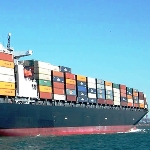
We supply fine and speciality chemicals, pharmaceutical excipients, mineral fortifiers in chemically pure, analytical reagent grade, API IP BP USP Ph Eur EP JP ChP PPRC and other pharmaceutical grade monograph including FCC Food grade chemicals and Nutraceuticals at best prices. We and/or our associated units have all the facilities to supply as per cGMP standard observing good manufacturing practice and good laboratory practice. We can assure low microbial count and also offer a test certificate for the same. We maintain warehouses across USA, India, and UAE. Our group exports to USA, Canada, Mexico, Argentina, Brazil, Chile, Korea, Malaysia, Thailand, Indonesia, Europe, and several other parts of the world. We supply in wholesale container loads to small pack of few grams. Solid products may be specified for it size and shape as desired by the buyer.

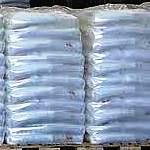
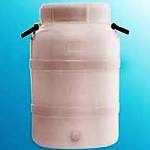
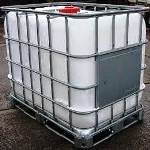
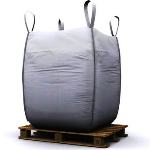
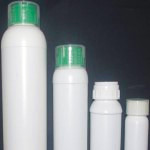
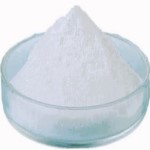
Pyridoxine Hydrochloride or Pyridoxine HCl CAS Number 58-56-0
For Properties Specifications Uses of Pyridoxine Hydrochloride or Pyridoxine HCl Click Properties, Specifications, Uses, Price, Process of Pyridoxine Hydrochloride or Pyridoxine HCl Manufacturer.
For For SDS MSDS Sheet of Pyridoxine Hydrochloride or Pyridoxine HCl Click SDS Safety Data Sheet MSDS Sheet of Pyridoxine Hydrochloride or Pyridoxine HCl Manufacturer.
The Properties, Specifications, Monograph and Uses of Pyridoxine Hydrochloride or Pyridoxine HCl:
Pyridoxine Hydrochloride or Pyridoxine HCl is primarily used to prevent and treat vitamin B6 deficiency, manage nausea and vomiting during pregnancy, and protect against nerve damage caused by certain medications. In medecine it is used for Vitamin B6 Deficiency, Morning Sickness in Pregnancy, Medication-Induced Nerve Damage, Sideroblastic Anemia, Pyridoxine-Dependent Seizures, Premenstrual Syndrome, etc.
Pyridoxine Hydrochloride BP Ph Eur Grade Specifications:
When vitamin B6 is prescribed or demanded, Pyridoxine Hydrochloride shall be dispensed or supplied.
C8H12ClNO3 --- 205.6 CAS 58-56-0
Action and use: Vitamin B6.
DEFINITION
(5-Hydroxy-6-methylpyridine-3,4-diyl)dimethanol hydrochloride.
Content: 99.0 per cent to 101.0 per cent (dried substance).
CHARACTERS
Appearance: White or almost white, crystalline powder.
Solubility: Freely soluble in water, slightly soluble in ethanol (96 per cent).
MP: About 205C, with decomposition.
IDENTIFICATION
First identification: B, D
Second identification: A, C, D
A. Ultraviolet and visible absorption spectrophotometry.
B. Infrared absorption spectrophotometry.
C. Thin-layer chromatography.
Solution S: Dissolve 2.50 g in carbon dioxide-free water and dilute to 50.0 mL with the same solvent.
Appearance of solution: Solution S is clear and not more intensely coloured than reference solution.
pH: 2.4 to 3.0 for solution S.
Related substances: To pass the test.
Loss on drying: Maximum 0.5 per cent, determined on 1.000 g by drying in an oven at 105C.
Sulfated ash: Maximum 0.1 per cent, determined on 1.0 g.
Pyridoxine Hydrochloride USP Grade Specifications:
C8H11NO3-HCl --- 205.64
3,4-Pyridinedimethanol, 5-hydroxy-6-methyl-, hydrochloride;
Pyridoxol hydrochloride CAS 58-56-0
UNII: 68Y4CF58BV
UNII: KV2JZ1BI6Z
DEFINITION
Pyridoxine Hydrochloride contains NLT 98.0% and NMT 102.0% of pyridoxine hydrochloride (C8H11NO3-HCl), calculated on the dried basis.
IDENTIFICATION
A. Infrared Absorption
B. Identification Tests—General, Chloride: Meets the requirements.
Residue on Ignition: NMT 0.1%
Content of Chloride: 16.9%–17.6% on the dried basis.
Loss on Drying: Dry a sample in vacuum over silica gel for 4 h: it loses NMT 0.5% of its weight.
Pyridoxine Hydrochloride FCC Food Grade:
5-Hydroxy-6-methyl-3,4-pyridinedimethanol Hydrochloride;
Pyridoxol Hydrochloride; Vitamin B6 Hydrochloride; Vitamin B6
DESCRIPTION
Pyridoxine Hydrochloride occurs as colorless or white crystals or as a white, crystalline powder. It is stable in the air but is slowly affected by sunlight. Its solutions are acid to litmus, having a pH of about 3. One-gram dissolves in 5 mL of water and in about 100 mL of alcohol. It is insoluble in ether. It melts at about 206C with some decomposition.
Function: Nutrient.
REQUIREMENTS
Identification:
A. Place 1 mL of a solution containing about 100 _g of sample in each milliliter into each of two test tubes marked A and B and add 2 mL of a 1:5 sodium acetate solution to each tube. Add 1 mL of water to tube A and add 1 mL of a 1:25 boric acid solution to tube B, and mix. Cool both tubes to about 20°, and rapidly add 1 mL of a 1:200 solution of 2,6-dichloroquinonechlorimide in alcohol to each tube. A blue color appears in tube A, which fades rapidly and becomes red in a few minutes, but no blue color appears in tube B.
B. Add 0.5 mL of phosphotungstic acid to 2 mL of a 1:200 aqueous solution. A white precipitate forms.
C. A sample gives positive tests for Chloride, Appendix IIIA.
Chloride Content: Not less than 16.9% and not more than 17.6% of chloride (Cl), calculated on the dried basis.
Lead: Not more than 2 mg/kg.
Loss on Drying: Not more than 0.5%.
Residue on Ignition: Not more than 0.1%.
The MSDS-SDS Hazard Statement of Pyridoxine Hydrochloride or Pyridoxine HCl:
Pyridoxine Hydrochloride or Vitamin B6 SDS Sheet, Safety Data Sheet
MSDS Sheet, Material Safety Data Sheet
1. Product Identification
Product Name & Other Names: Pyridoxine Hydrochloride or Vitamin B6.
CAS No.: 58-56-0
EINECS EC Code: 200-386-2
Molecular Weight: 205.64
Chemical Formula: C8H11NO3-HCl
Relevant uses and uses advised against (if any): Industrial Manufacturing.
SUPPLIER: As per letterhead.
2. Hazards Identification
GHS, Globally Harmonized System Classification in accordance with 29 CFR 1910
Classification according to Regulation (EC) No 1272/2008
Not a hazardous substance or mixture according to Regulation (EC) No. 1272/2008.
This substance is not classified as dangerous according to Directive 67/548/EEC.
Labeling according to GHS & Regulation (EC) No 1272/2008
| GHS Label Elements NONE |
Signal Words: None
Precautionary statements:
P261: Avoid breathing dust/fume/gas/mist/vapors/spray.
P262: Do not get in eyes, on skin, or on clothing.
P281: Use personal protective equipment as required.
P302+P352: IF ON SKIN: Wash with plenty of soap and water.
P304+P340: IF INHALED: Remove victim to fresh air and keep at rest in a position comfortable for breathing.
P305+P351+P338: IF IN EYES: Rinse cautiously with water for several minutes. Remove contact lenses, if present and easy to do. Continue rinsing.
P337+313: If eye irritation persists get medical advice/attention.
3. Composition/Information on Ingredients
Product Name & Other Names: Pyridoxine Hydrochloride or Vitamin B6.
CAS No.: 58-56-0
EINECS EC Code: 200-386-2
4. First Aid Measures
Always seek medical advice after the first aid treatment.
Inhalation: If inhaled, remove to fresh air. If not breathing, give artificial respiration. If breathing is difficult, give oxygen. Get medical attention.
Ingestion: Contact medical center quickly. Never give anything by mouth to an unconscious person. Get medical attention.
Skin Contact: Immediately flush skin with plenty of water for at least 15 minutes. Remove contaminated clothing and shoes. Get medical attention. Wash clothing before reuse. Thoroughly clean shoes before reuse.
Eye Contact: Check for and remove any contact lenses. Immediately flush your eyes with running water for at least 15 minutes, keeping eyelids open. Cold water may be used. Get medical attention.
5. Fire Fighting Measures
Combustible at high temperature. High heat or direct flame is necessary to cause ignition. Toxic fumes, carbon monoxide, hydrogen chloride, and nitrogen oxides may be formed in fire.
Explosion: At high temperature, explosive vapor-air mixtures may be formed.
Fire Extinguishing Media: Dry chemical, foam, water spray or carbon dioxide. Do not use a solid stream of water since the stream will scatter and spread the fire. Water spray may be used to keep fire exposed containers cool.
Special Information: In the event of a fire, wear full protective clothing and NIOSH-approved self-contained breathing apparatus with full face piece operated in the pressure demand or other positive pressure mode. At high temperatures under fire conditions, it may produce toxic or irritating fumes.
6. Accidental Release Measures
Personal precautions, protective equipment, and emergency procedures: Avoid breathing dust/fumes/gas/mist/vapors/spray. Use individual protective equipment (waterproof boots, suitable protective clothing, safety glasses, etc.).
Environmental precautions: Do not let the product enter drains, soil, or water sources.
Methods and materials used for containment cleanup procedures and Storage: Avoid dust formation. Keep away from heat. Keep away from sources of ignition. Provide ventilation. Contain spilled material. Cover with an inert, non-combustible absorbent material, (e.g., sand, earth, diatomaceous earth, vermiculite). Vacuum or sweep-up and remove to an approved disposal container.
7. Handling and Storage
Precautions for safe handling: Apply according to good manufacturing and industrial hygiene practices. Ensure proper ventilation. Wash thoroughly after handling. Do not drink, eat, or smoke while handling. Avoid contact with skin, eyes, and clothing. Minimize dust generation. Avoid breathing dust/fumes/gas/mist/vapors/spray. Keep container tightly closed. Avoid ingestion and inhalation. Use individual protective equipment (waterproof boots, suitable protective clothing, safety glasses, etc.).
Conditions for safe storage, including any incompatibilities: Keep away from heat and source of fire. Store in cold, dry, and ventilated area away from heat sources and protected from sunlight in tightly closed original container. Keep air contact to a minimum. Do not breathe dust. Do not leave the material container open. Store protected from heat, sparks and ignition sources and incompatible materials. Avoid inhalation of dust/mist/vapor. Do not store with incompatible materials like oxidizing material. Storage: 8C to 25C (Cool & dry area). Ok to freeze. Preserve in tight, light-resistant containers.
8. Exposure Controls/Personal Protection
Airborne Exposure Limits: Not established.
Ventilation System: A system of local and/or general exhaust is recommended to keep employee exposures as low as possible.
Personal Respirators (NIOSH Approved): For conditions of use where exposure to the substance is apparent and engineering controls are not feasible, consult an industrial hygienist.
Skin Protection: Wear impervious protective clothing, including boots, gloves, lab coat, apron, or coveralls, as appropriate, to prevent skin contact.
Eye Protection: Use chemical safety goggles and/or a full-face shield where splashing is possible. Maintain eye wash fountain and quick-drench facilities in work area.
Other Control Measures: Maintain good housekeeping in work area. Handle in accordance with good industrial hygiene and safety practice.
9. Physical and Chemical Properties
Appearance: White to off-white crystalline powder.
Odor: No data found.
Odor threshold: No data found.
pH: 2.3 - 3.5 for 5% aq. solution.
Melting point: 205C to 212C (Decomposes) literature.
Boiling point: No data found.
Relative density: No data found.
Flash point: No data found.
Auto-ignition temperature: No data found.
Decomposition temperature: No data found.
Upper/lower flammability or explosive limits: No data found.
Vapor pressure: No data found.
Vapor density: No data found.
Evaporation rate: No data found.
Flammability (solid, gas): No data found.
Partition coefficient: n-octanol/water: No data found.
Solubility: Soluble in water.
Viscosity: No data found.
10. Stability and Reactivity
Stability: Stable under ordinary conditions of use and storage.
Hazardous Decomposition Products: Carbon dioxide, carbon monoxide, hydrogen chloride, nitrogen oxides, and toxic fumes may form when heated to decomposition.
Hazardous Polymerization: Not reported. However, it can explode under certain conditions.
Incompatibilities: Strong oxidizing agents, heat, and sparks.
Conditions to Avoid: Heat, flames, sunlight, ignition sources and incompatibles.
11. Toxicological Information
LD50 Oral - Rat - 4000 mg/kg.
Carcinogenicity: No component of this product present at levels greater than or equal to 0.1% is identified as possible or confirmed human carcinogen by IARC, ACGIH, OSHA and NTP.
Teratogenic Effects: No data found.
Mutagenic Effects: No data found.
Developmental Toxicity: No data found.
Reproductive Effects: No data found.
12. Ecological Information
Toxicity to fish: static test LC50 - Oncorhynchus mykiss (rainbow trout) - > 100 mg/l - 96 h.
Toxicity to daphnia and other aquatic invertebrates: static test EC50 - Daphnia magna (Water flea) - > 100 mg/l - 48 h.
Mobility & Persistence: Likely to be mobile and unlikely to persist due to water solubility.
Biodegradability: Expected to be biodegradable
Results of PBT and vPvB assessment: Not PBT or vPvB.
13. Disposal Considerations
Whatever cannot be saved for recovery or recycling should be managed in an appropriate and approved waste disposal facility. Follow all the pollution control rules.
14. Transport Information
DOT USA & ADR/RID Europe: Not dangerous goods.
IMDG/IMO: Not dangerous goods.
IATA/ICAO: Not dangerous goods.
15. Regulatory Information
USA:
SARA 311/312 Hazards: None.
California Prop. 65 Components: Not listed.
16. Other Information
Disclaimer:
**************************
Our company provides this MSDS sheet in good faith but makes no representation as to its comprehensiveness or accuracy. This SDS sheet is intended only as a guide to the appropriate precautionary handling of the material by a properly trained person using this product. The above information has been compiled from various sources and has the possibility of discrepancy and being out-dated information. Individuals receiving the information must exercise their independent judgment and do further search in determining its appropriateness for a particular purpose. In no case shall our company be liable to loss or damages by the product user.
**************************

Pyridoxine Hydrochloride or Pyridoxine HCl Manufacturers, Suppliers, Exporters, Wholesalers:
King of Chemicals manufacturers

Plot No. 2900/46&47 + 2900/163to167, GIDC, Ankleshwar, Dist. Bharuch, India
India, USA, UAE
TEL: (Office) 91-22-65290111
email: info@kingofchemicals.com
Copyright and Usual Disclaimer is Applicable --- November 28, 2026
If I give you “My Word” Nobody can undo it.
If I sign an “Agreement” my Lawyer will undo it
Our products are for industrial and laboratory use only. The user must test the material before use. We are not despensing chemists or druggist and do not offer over the counter type (OTC) products for medical use by individuals.
| We and our associates manufacture pure chemicals surpassing Monograph Specifications of Analytical Reagent Standards, British & European Pharmacopoeia BP Ph Eur EP Standard, US Pharmacopoeia USP NF Standard, Indian Pharmacopoeia IP Standard, Japan Pharmacopoeia JP Standard, FCC Food Grade Standard. | |